Published · Bloom & Baby Editorial Team
Breastfeeding Essentials: What You Actually Need
A short, honest list of what helps in the early weeks of nursing, and what can wait until you know your rhythm.
Feeding lists tend to be long, expensive and written before anyone knows how their own feeding journey will go. In practice, the early weeks need a handful of things that help with comfort and convenience. Almost everything else can wait until you know your rhythm.
Start with comfort
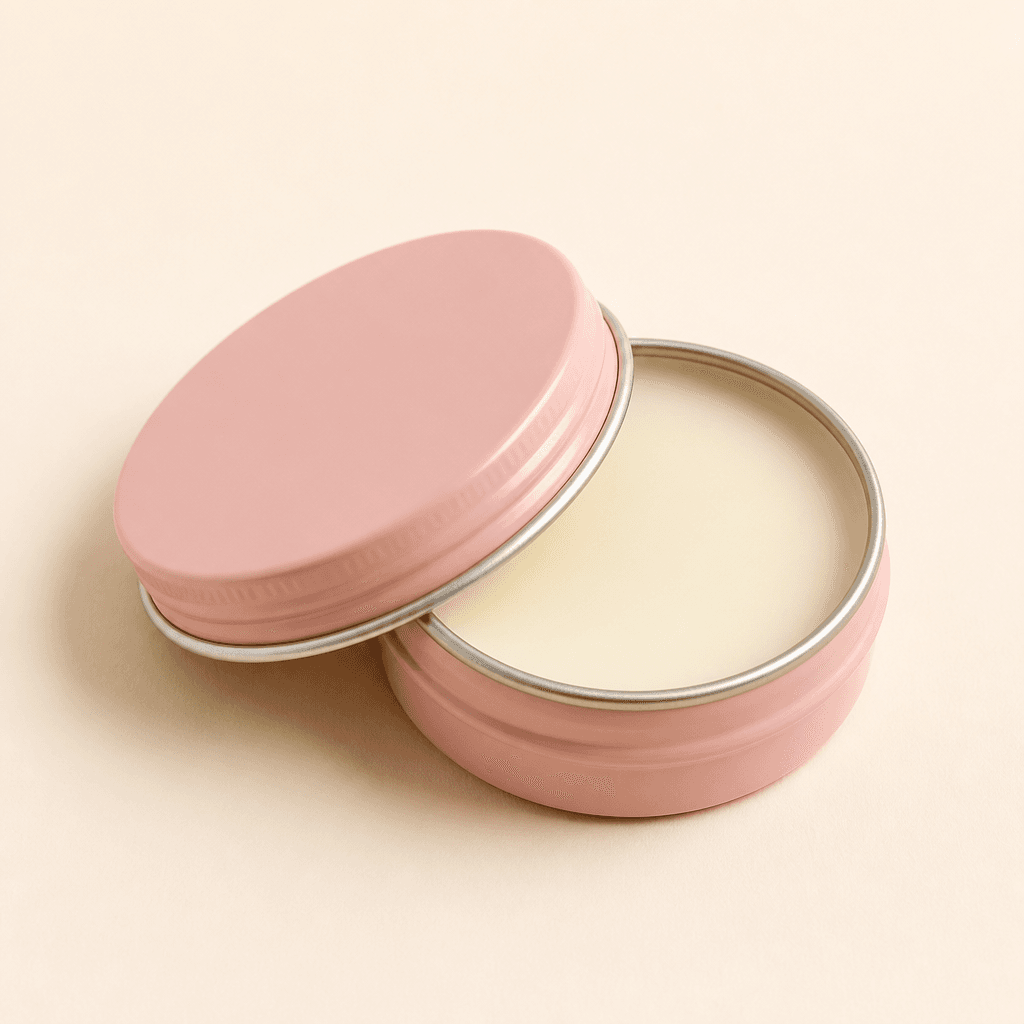
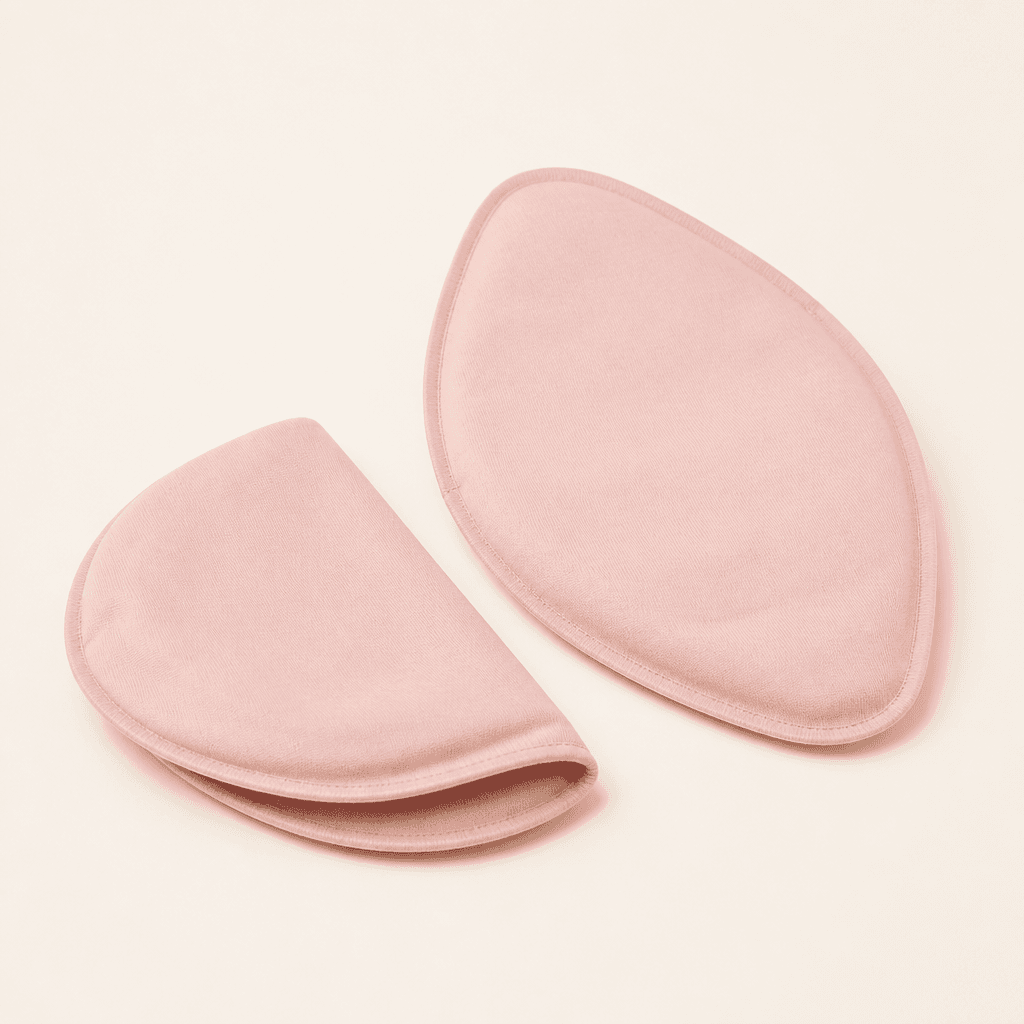
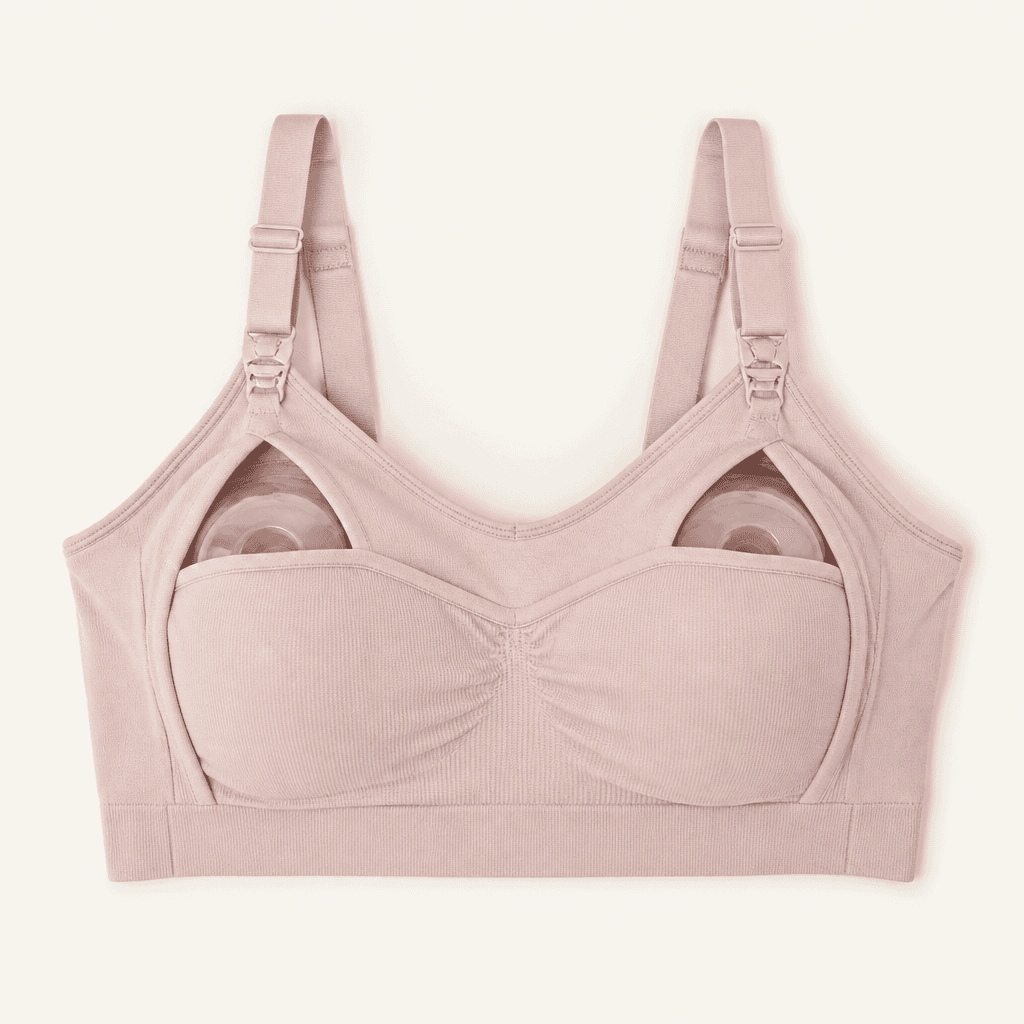
Comfort is the whole game in the first fortnight. A soft, wire-free nursing bra you can open one-handed in the dark matters more than any gadget. A nourishing balm helps with dry, sensitive skin from frequent feeding, and gel packs shaped to sit inside a nursing bra are the kind of small comfort you appreciate at 2am.
Set up a feeding station
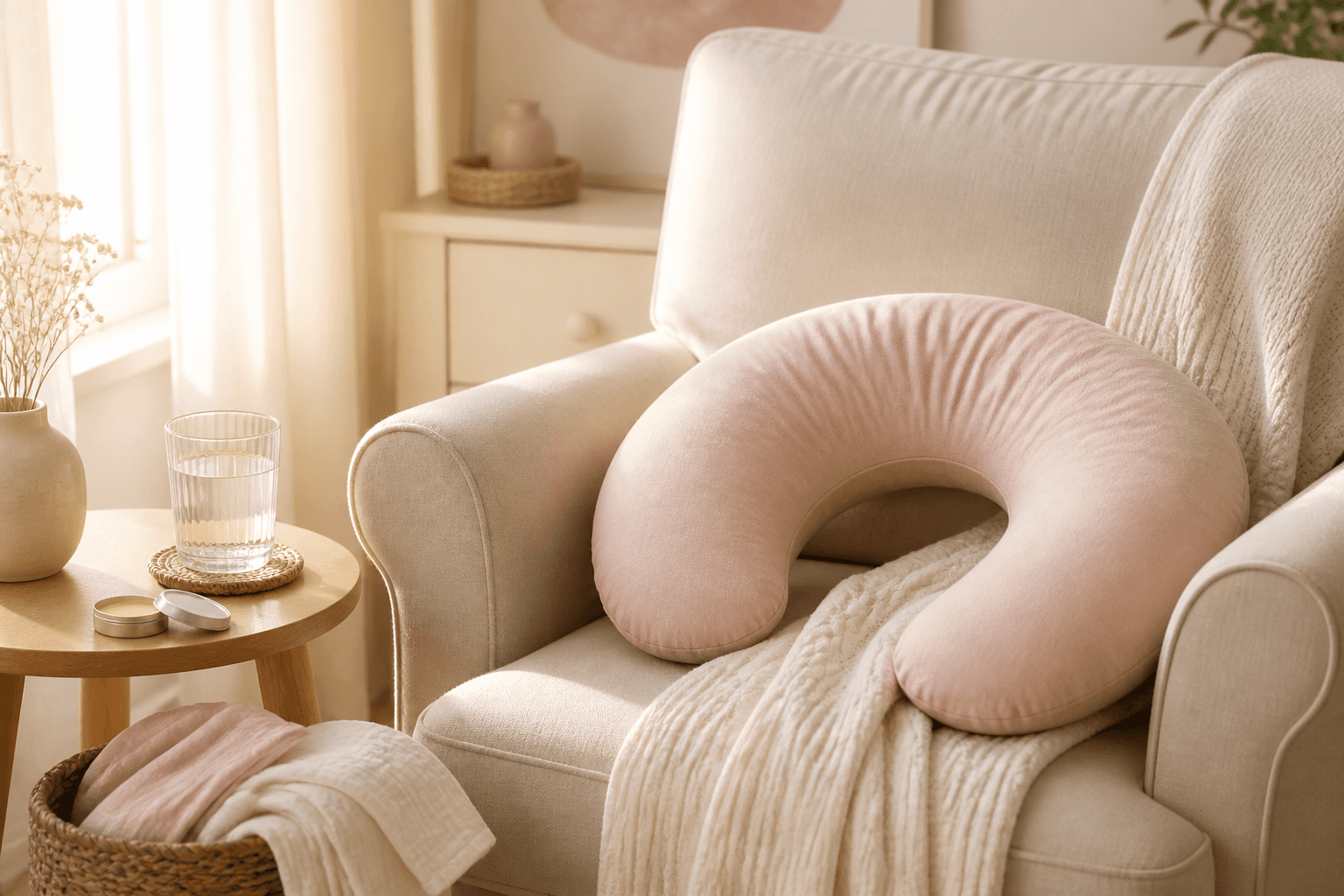
Wherever you feed most often, keep a small tray with water, snacks, a phone charger, burp cloths and your balm. Feeds are long in the beginning, and standing up to fetch a glass of water while holding a newborn gets old quickly. If you feed in more than one room, build two stations.
The pumping question
You do not need a pump on day one unless your care team has advised one. Many parents start with something simpler: a silicone catcher that collects letdown on the other side while you feed, which is a quiet way to build a small freezer stash without adding a pumping session. If and when you do pump regularly, a hands-free pumping bra turns pumping from a seated event into something you can do while getting on with your day.
Feeding away from home
The first feed in public is easier with a plan. A lightweight, breathable cover with a structured neckline lets you keep eye contact with your baby while staying covered, and it folds small enough to live in the diaper bag permanently. Loose layers you can lift rather than unbutton make a bigger difference than most nursing-specific clothing.
What you can wait on
Bottle systems, nipple shields, specialty pillows and bulk storage bags are all easier to choose once you know what your feeding pattern looks like. Start small, then add what your own weeks are actually asking for.
When to ask for help
Feeding should not be persistently painful. If latching hurts, if feeds never seem to end, or if you are worried about your baby's weight gain, a lactation consultant, midwife or pediatrician can often resolve in one visit what weeks of guessing cannot. This article is general guidance, not medical advice.
Frequently asked questions
- What do I actually need for breastfeeding in the first week?
- A comfortable wire-free nursing bra, a soothing balm, breast pads and a water bottle cover most of the first week. A feeding station with snacks and burp cloths within reach is more useful than most gadgets.
- Do I need a breast pump right away?
- Not usually, unless your care team advises one. Many parents start with a silicone milk catcher that collects letdown during feeds, then add a pump later when returning to work or building a freezer stash.
- How can I make nursing more comfortable?
- Support your arms and baby's weight with a pillow, keep your shoulders relaxed, and use a nourishing balm for dry skin. Warm or cool gel packs before and after feeds help too. Persistent pain is always worth raising with a lactation consultant.