Published · Updated · Bloom & Baby Editorial Team
Hospital Bag Checklist for Labor, Mom & Baby
A practical hospital bag checklist for labor, postpartum recovery and baby's first trip home — focused on what you are most likely to use.

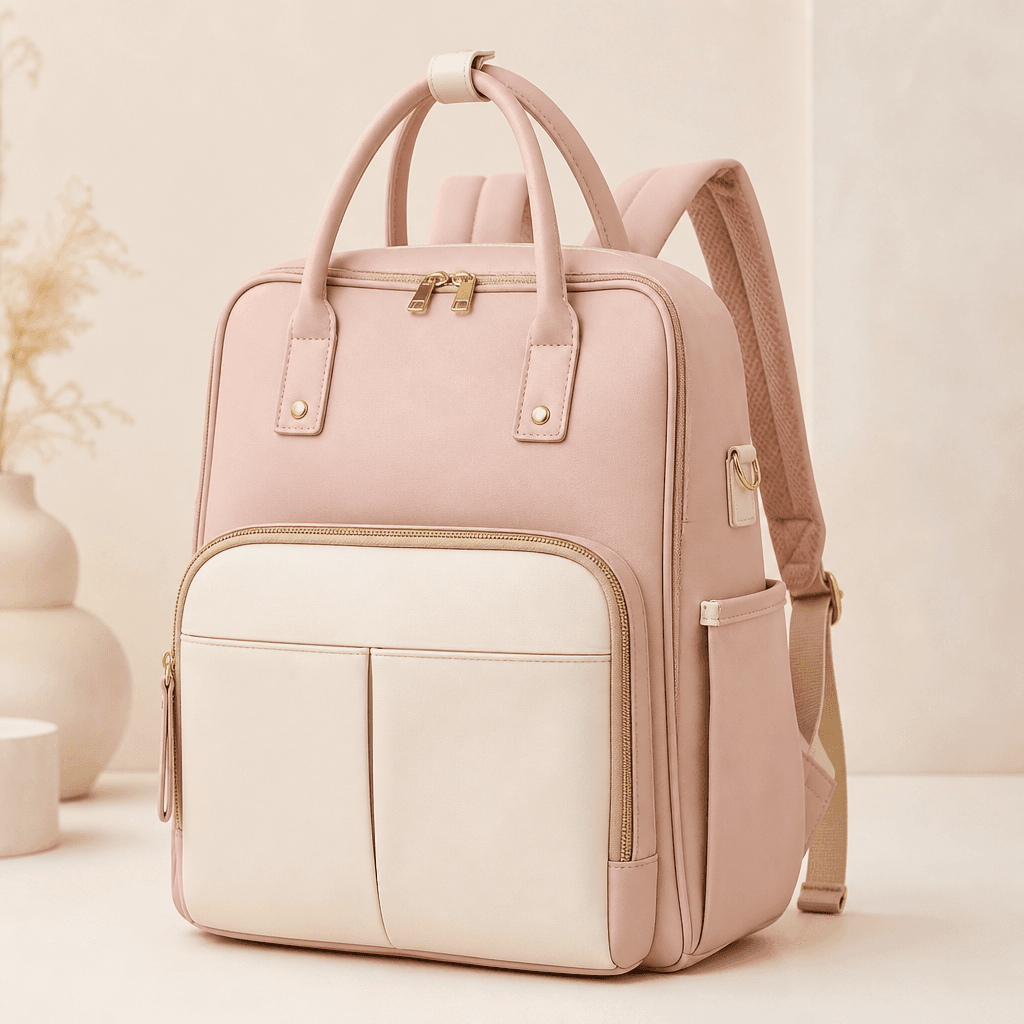
Packing for birth can turn into an enormous list very quickly. A useful hospital bag is simpler: the things that make labor more comfortable, the basics that help during postpartum recovery, a small set of baby essentials, and the documents or chargers that are annoying to forget. This checklist is designed to cover those real needs without packing your whole house.
When should you pack your hospital bag?
Many parents aim to have their hospital bag mostly ready around 35 to 36 weeks, with a short last-minute list for things you still use every day such as your phone, charger, glasses and medication. If your care team has advised you to prepare earlier for any reason, follow their guidance. Keep the packed bag somewhere easy to grab rather than hidden in a cupboard.
Hospital bag checklist for mom: labor essentials
For labor, focus on comfort and easy access. Pack loose clothing or a gown you do not mind getting messy, non-slip slippers or socks, hair ties, lip balm, a refillable water bottle, a long phone charging cable, toiletries, and any comfort item you already know helps you relax. If your hospital allows snacks, add a few simple options for you or your support person. Bring any regular medication only as directed by your care team.
Postpartum recovery items
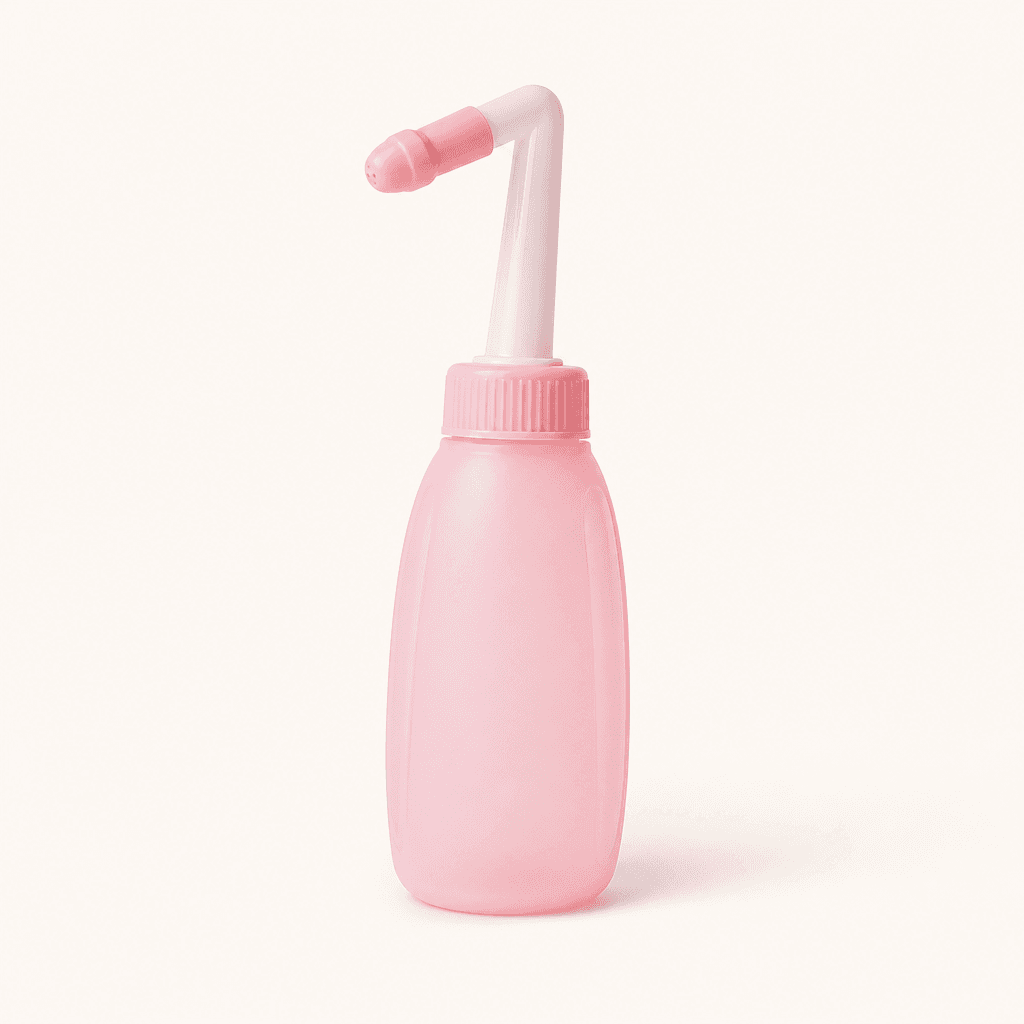
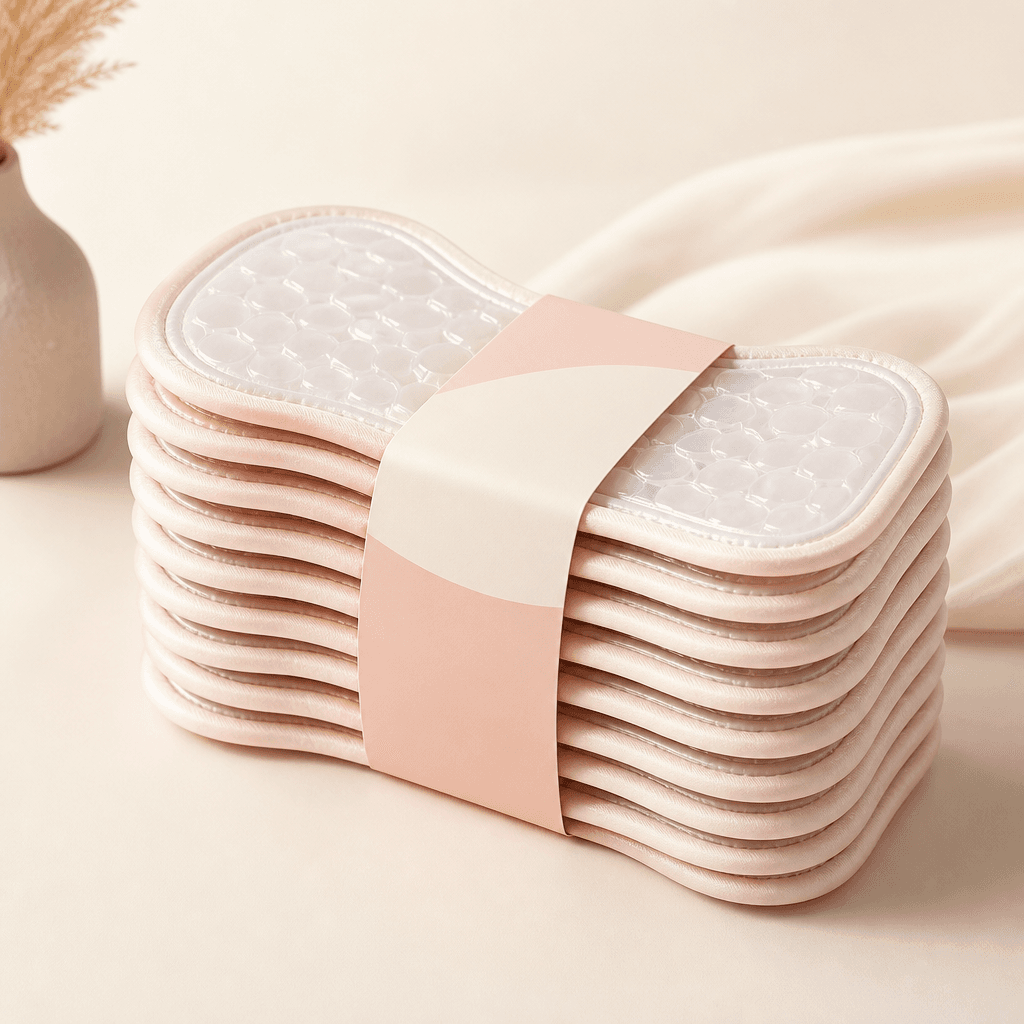
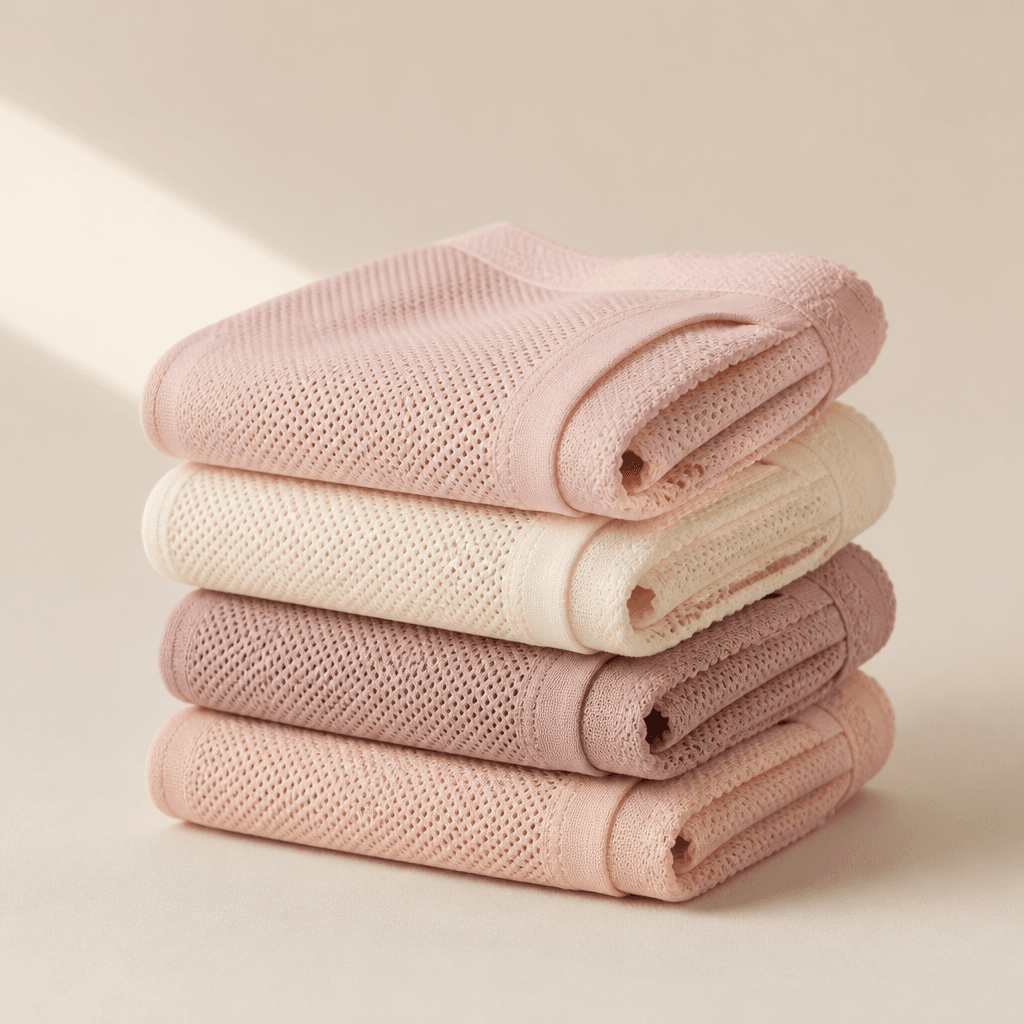
Recovery is where a few small items can make the biggest difference. Consider high-waisted disposable underwear, maternity pads if your hospital does not supply enough, a peri bottle for gentle cleansing, cooling pad liners, a soft wire-free nursing bra if you plan to breastfeed, and a loose outfit for the trip home. Hospitals often provide some postpartum supplies, but what is included varies, so ask before you pack.
Hospital bag checklist for baby
Baby usually needs less than the internet makes it seem. Pack two going-home outfits in different sizes, such as newborn and 0–3 months, because fit depends on birth weight. Add a hat if appropriate for the season, a swaddle or light blanket for the trip home, and the correctly installed infant car seat. Many hospitals provide diapers, wipes and receiving blankets during the stay, but confirm that with your hospital rather than assuming.
Documents and practical items
Keep identification, insurance or hospital paperwork, your birth-plan notes if you are using them, and any required admission documents together in one easy-to-reach pouch. A small amount of cash or a payment card can be useful for parking or vending machines. Add a long charging cable and a backup power bank if you have one; hospital outlets are often farther from the bed than expected.
What to pack if you are planning a C-section
If you know you are having a planned C-section, prioritize clothing that will not press directly on the incision area. High-waisted underwear, loose-waisted trousers or a dress, slip-on footwear and an extra-long charging cable can make movement easier while you recover. Your hospital may have specific pre-operative instructions, so use its checklist as the final authority.
What hospitals often provide
Many maternity units provide basic diapers, wipes, receiving blankets, maternity pads and mesh underwear, but policies and quantities vary by hospital, birth center and country. Call your maternity unit or check its website before finalizing your bag. Knowing what is already supplied is the easiest way to avoid carrying things you will never open.
What you can usually leave at home
Large makeup bags, multiple books, a week's worth of outfits, full-size toiletries and an oversized supply of newborn products often stay untouched. Pack for a short hospital stay first. If you unexpectedly need more, a support person can usually bring additional items later.
Final 10-minute check before you leave
Before heading to the hospital, check for your phone, charger, identification, paperwork, medication, glasses or contact-lens supplies, water bottle and the installed car seat. Those are the last-minute items most likely to be sitting outside the packed bag.
Every hospital and birth center works a little differently. Confirm local admission, baby-sleep, feeding and postpartum-care requirements with your own care team. This article is general preparation guidance and is not medical advice.
Frequently asked questions
- When should I pack my hospital bag for labor?
- Many parents aim to have most of the bag ready around 35 to 36 weeks, then keep a short list of daily-use items to add before leaving. If your care team recommends preparing earlier, follow their guidance.
- What should I pack in a hospital bag for the baby?
- A practical starting point is two going-home outfits in different sizes, a season-appropriate hat if needed, a swaddle or light blanket, and the infant car seat. Ask your hospital whether diapers, wipes and receiving blankets are provided.
- What should I pack for myself after giving birth?
- Common comfort items include high-waisted disposable underwear, maternity pads if needed, a peri bottle, cooling pad liners, a soft nursing bra if you plan to breastfeed, toiletries and a loose going-home outfit.
- How many baby outfits should I bring to the hospital?
- Two going-home outfits in different sizes is usually a practical amount. Newborn and 0–3 month clothing can fit very differently depending on birth weight.
- What should be different in a C-section hospital bag?
- Choose clothing and underwear with waistbands that sit well above the incision area, plus easy slip-on footwear and anything that reduces unnecessary bending. Follow your hospital's specific pre-operative and recovery instructions.